
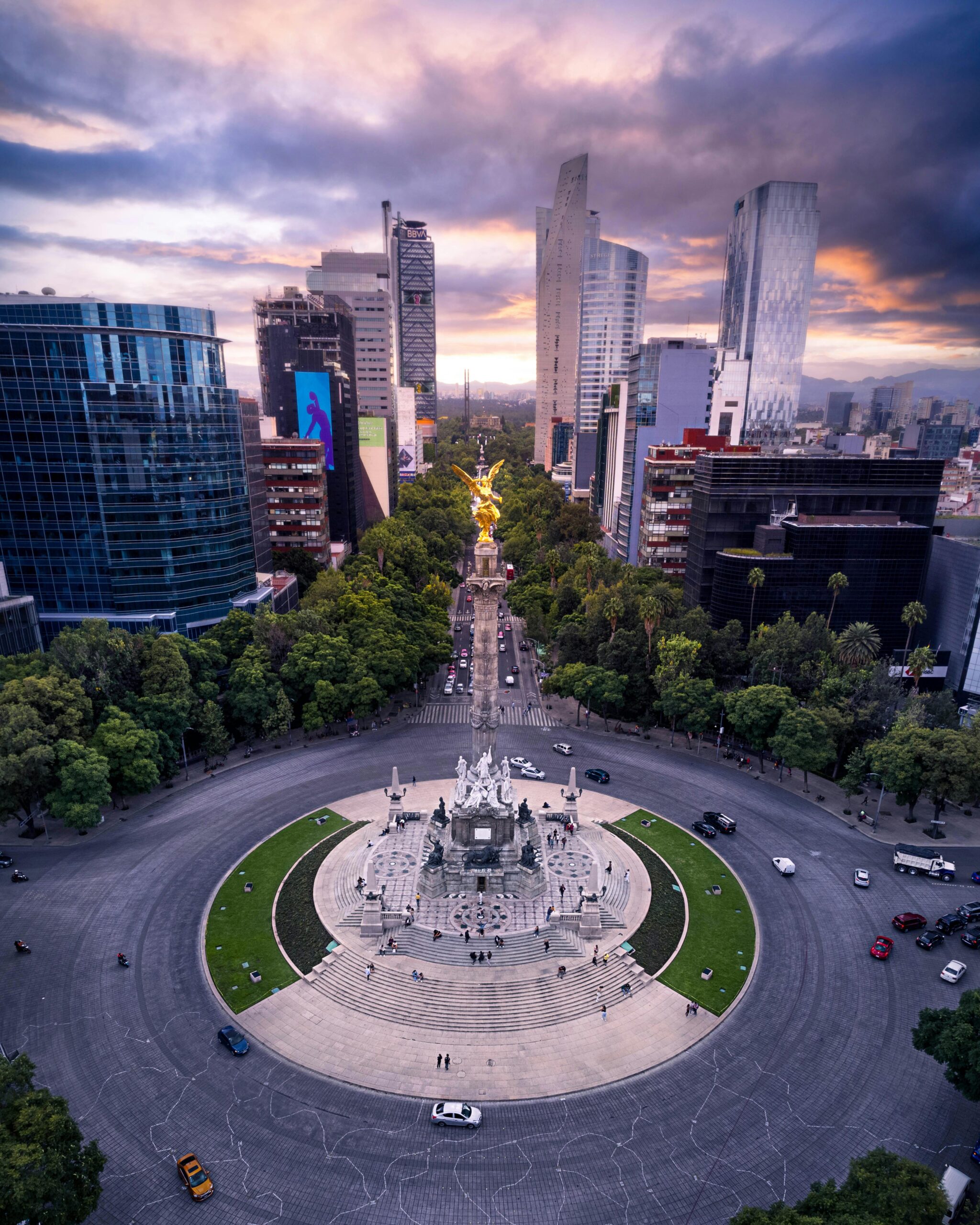
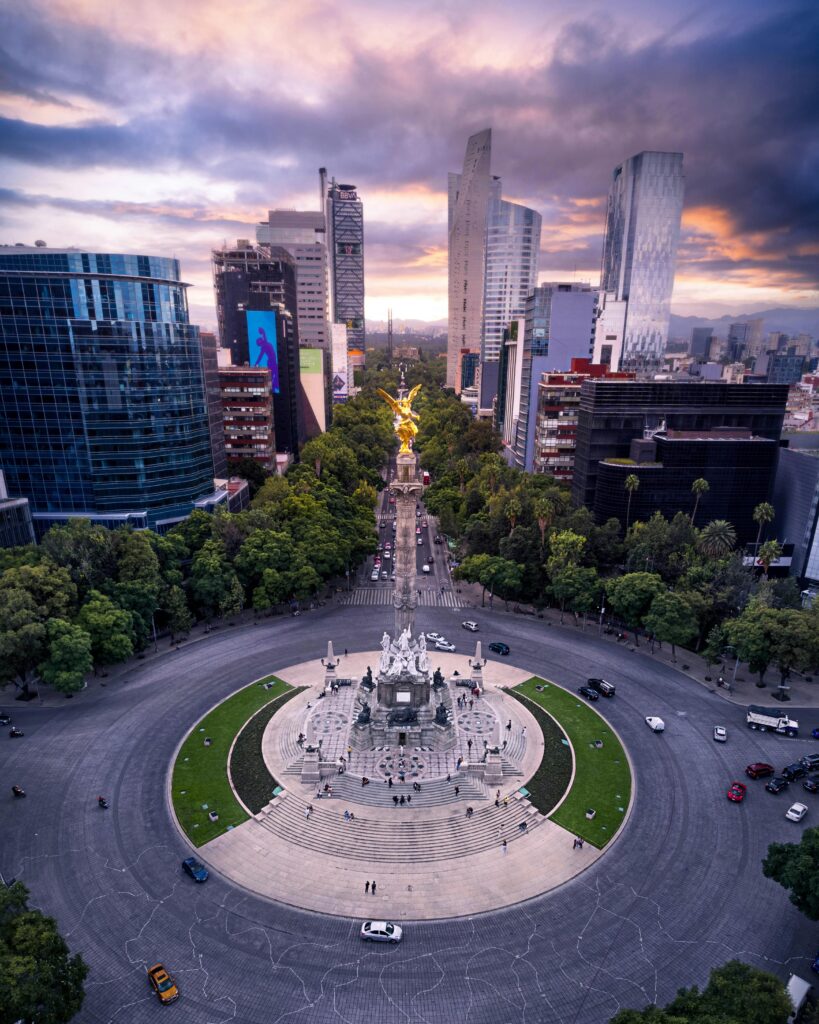
The Short Answer: Is Mexico City Safe?
The short answer is yes — Mexico City can be safe for tourists, and millions of people visit the city every year without experiencing serious problems.
Like any large global city, Mexico City has areas that are safer than others, and most issues travelers encounter are related to petty crime such as pickpocketing rather than violent incidents.
Tourists who stay in well-known neighborhoods, use common sense, and follow basic safety advice usually find Mexico City to be welcoming, vibrant, and easy to navigate.
Why Mexico City Has a Bad Reputation (And What’s True)
Mexico City’s reputation around safety is often shaped by headlines, movies, and generalized stories about crime in Mexico as a whole. International news outlets tend to group the entire country together, even though safety conditions vary greatly from city to city — and even from neighborhood to neighborhood.
While Mexico does face serious security challenges in certain regions, Mexico City itself has changed significantly over the past decade, especially in areas most visited by tourists. Increased police presence, improved public transportation, and a strong tourism infrastructure have made many parts of the city safer and more accessible than people expect.
Most incidents that affect visitors are related to petty crime, such as pickpocketing or phone snatching, rather than violent crime. Understanding this difference helps travelers separate real risks from exaggerated fears and plan their trip with confidence instead of anxiety.
Safest Areas to Stay in Mexico City for Tourists
Choosing the right neighborhood is one of the most important factors for staying safe in Mexico City as a visitor. Fortunately, the city offers several areas that are well-connected, popular with tourists, and known for their walkability and security.
Roma Norte and Condesa are two of the most recommended neighborhoods for first-time visitors. They are lively, full of restaurants and cafés, and generally safe during the day and at night, especially along main streets.
Polanco is another excellent option, particularly for travelers looking for a more upscale experience. It has a strong police presence, wide sidewalks, and some of the city’s best hotels and museums.
Coyoacán, especially around its historic center, is also a safe and charming area to explore during the day. Like anywhere, visitors should be more cautious at night and stick to busy, well-lit areas.
Areas Tourists Should Avoid or Be More Careful In
Like any large city, Mexico City has areas that are less suitable for tourists, especially those unfamiliar with the city. These areas are not necessarily places visitors need to fear, but rather zones where there is little reason to go unless you have a specific local purpose.
Neighborhoods far outside central tourist districts, particularly those with limited public transportation or low foot traffic, can feel unsafe simply due to isolation. Visitors should be more cautious in these areas, especially at night.
The main recommendation for tourists is to stick to well-known neighborhoods, busy streets, and areas with an active local presence, particularly when walking after dark. Using rideshare services instead of wandering into unfamiliar areas significantly reduces potential risks.
As in most cities, safety comes down to awareness and decision-making — not fear. Planning routes ahead of time and avoiding unnecessary detours makes a noticeable difference.
Common Safety Tips from Locals
Locals move around Mexico City every day without issues, and many of their habits are simple but effective. Most safety advice comes down to being practical rather than fearful.
Transportation: Rideshare apps like Uber or DiDi are widely used and generally safer than hailing taxis on the street. When using public transportation, avoid rush hours if possible and keep personal belongings secure.
Personal belongings: Pickpocketing can happen in crowded areas, so keeping phones and wallets out of sight helps prevent problems. Crossbody bags worn in front of the body are a common choice among locals.
ATMs and money: Use ATMs inside banks or shopping malls during daytime hours, and avoid counting cash in public.
Walking at night: Stick to well-lit streets with activity. If an area feels empty or uncomfortable, it’s better to take a rideshare instead of walking.
Is Mexico City Safe During the 2026 World Cup?
Major international events significantly increase security measures in Mexico City, and the 2026 World Cup will be no exception. The city has extensive experience hosting large-scale events, including previous World Cups, concerts, and international sports competitions.
During the World Cup, authorities typically increase police presence in tourist areas, near stadiums, public transportation hubs, and fan zones. This added visibility tends to deter petty crime and provides visitors with easier access to assistance if needed.
Travelers visiting Mexico City for the World Cup can expect heightened security, clearer transportation routes, and designated areas for tourists, making the experience more organized and safer than during normal travel seasons.
Final Verdict: Should You Visit Mexico City?
Mexico City is a vibrant, culturally rich destination that welcomes millions of visitors every year. While safety concerns are understandable, most tourists who stay informed, choose the right areas, and use common sense experience the city without major issues.
Rather than asking whether Mexico City is “dangerous,” a better question is how to travel smart. Being aware, prepared, and respectful of your surroundings goes a long way — just as it does in any large city around the world.
For travelers seeking history, food, culture, and unforgettable experiences, Mexico City is absolutely worth visiting.